Detection · Oct 20, 2026 · 4 min read
Stop sending me 'possible prompt injection.' Send me the identity path.
AI security tools are repeating the EDR and DLP mistake: piles of one-off alerts. Every AI detection should arrive with intent, identity and network context.
- #ai-security
- #detection
- #edr
- #identity
- #soc
 Detection
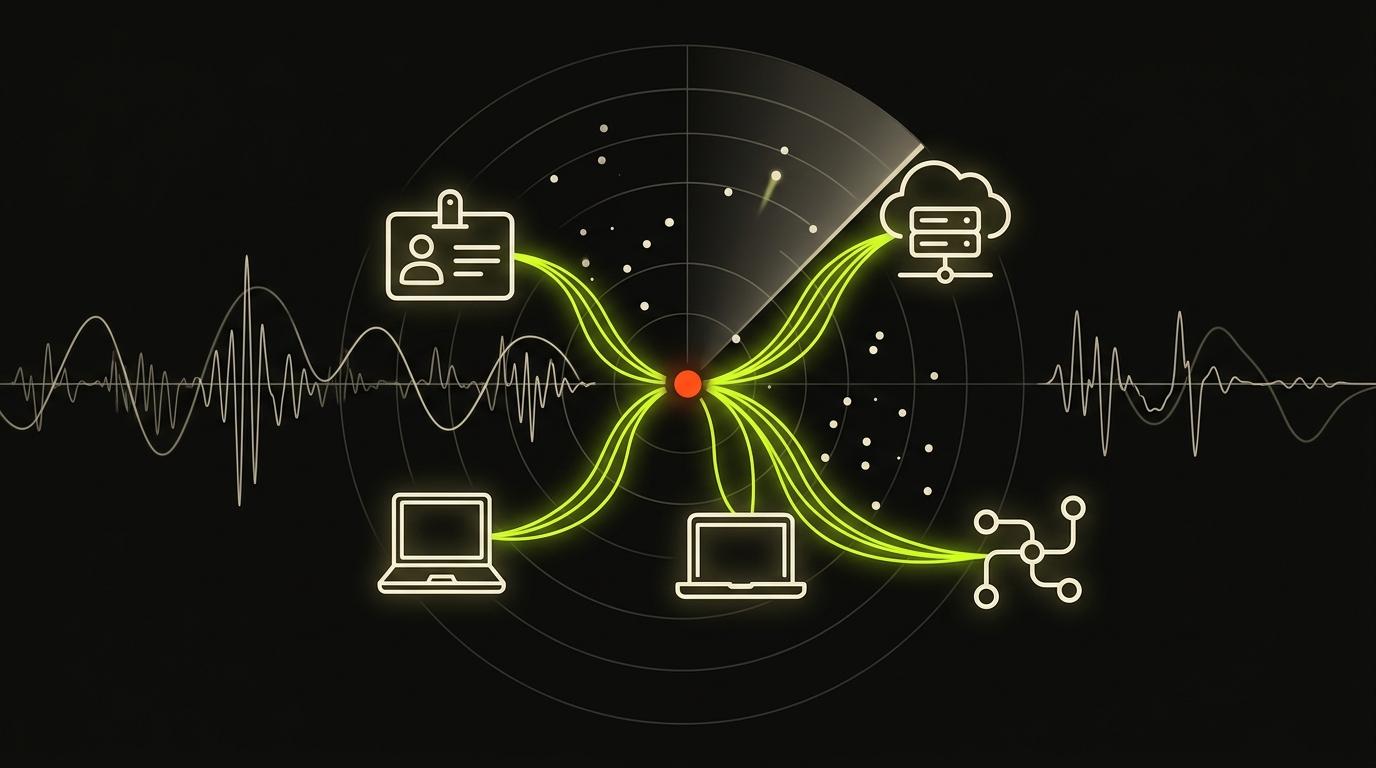
Every new security category goes through the same awkward phase. EDR did. DLP did. Now AI security is doing it.
The phase looks like this: the tool finds something, fires an alert, and leaves you to figure out the rest.
Possible prompt injection detected.
Okay. Now what?
We've seen this movie
Early EDR and DLP buried SOCs in volume. Every alert was a single data point with little context, and analysts spent their day pivoting between five consoles to work out whether any of it mattered.
AI detection and response feels the same right now. The market keeps shipping detections that are tough to operate: "this user saw a possible prompt injection," "this agent did something risky." Each one arrives alone, and each one is missing the values you actually need to make a call.

Two questions every AI detection should answer
1. Did the agent's action match the user's intent?
If it did, close it. If it didn't, the detection should tell you what steered it: a poisoned document, a skill, a tool response. (I wrote about why intent is the core question in last week's post.)
2. What else fired?
When I work an AI detection, the first thing I want to know is which other data sources saw the same activity. Right now I have to go find out myself.
Pull the other platforms in
AI security platforms need to bring in the tools that already watch the rest of the environment: EDR, cloud security platforms, runtime security, identity providers.
I know that's hard. But here's the ask: when an AI detection fires, check whether there's a corresponding detection wherever the developer or agent was operating.
- Nothing there? Cool, tell me. "No related activity on the endpoint or in the cloud" is useful context.
- Something there? Awesome. Link them together and give me one story instead of two tickets.
Give me the identity path
This is the part I care about most. A prompt injection on a laptop is a curiosity. A prompt injection that went on to touch production is an incident. The difference is the identity path:
- How did the developer (or their agent) reach the cloud?
- Which server did it touch?
- What did it access?
- Which secrets or credentials did it read?
- Did it scrape anything?
- Which roles did it assume along the way?
Put the network path next to it: what the agent connected to, and where data went.
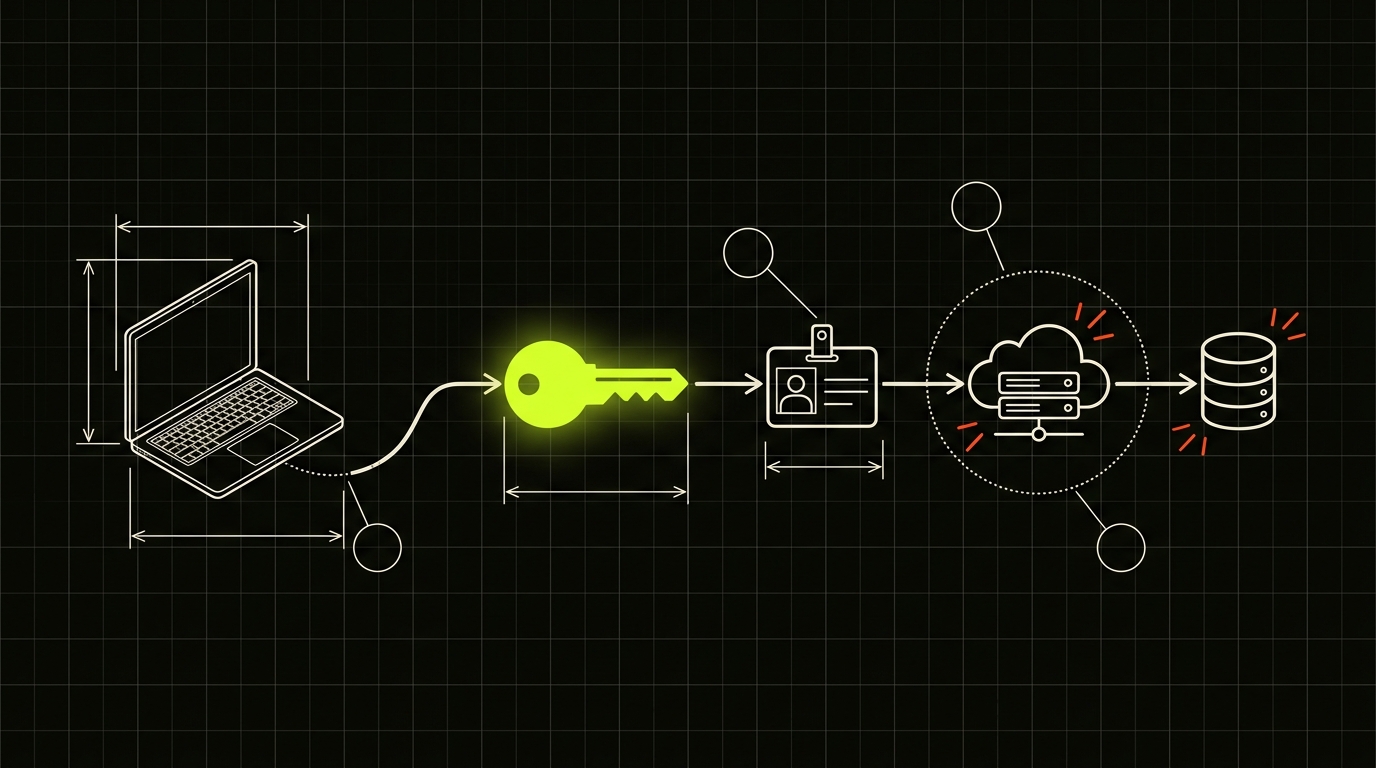
No more one-off "this person did something bad" alerts. Show me the path from the human, to the agent, to the credentials, to the resources, and link everything you can.
What good looks like
Here's the version I want to see everywhere.
A cloud security platform fires an alert on a workload: a role was used in a way it shouldn't have been. That alert is correlated back to the AI security tool running on the developer's endpoint. From there I can see the exact agent session, the context it was working with, and the tools it called that produced the change the cloud alert caught.
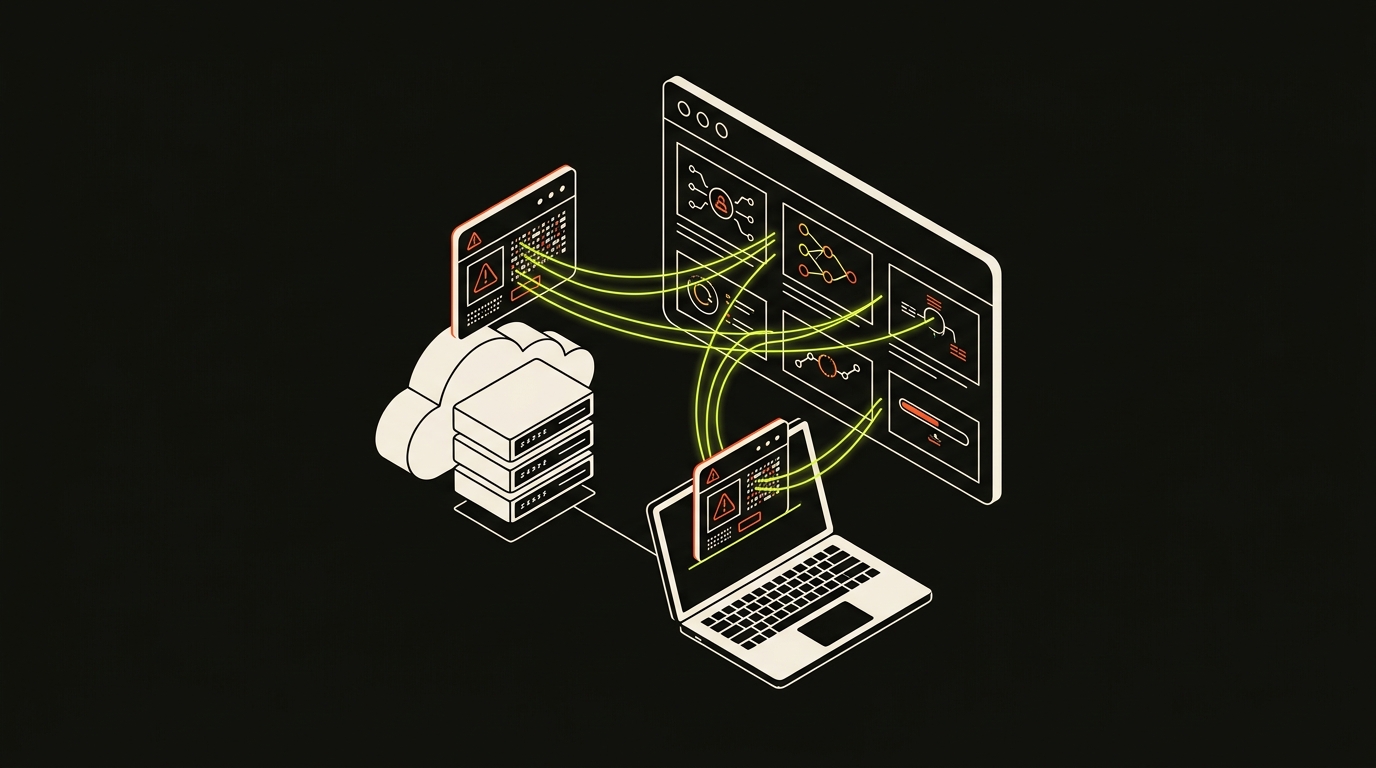
Two alerts become one story: this person asked for this, the agent drifted here, used these credentials, and touched that. That's not an alert anymore. It's an answer.
The bar for AI security tools
If you're evaluating these platforms, this is the checklist I'd hold them to:
- An intent verdict, not just a label like "possible prompt injection"
- Correlated detections across EDR, cloud and runtime, or an explicit "nothing found"
- The identity path: human → agent → credentials → roles → resources
- The network path: what it connected to and where data went
- Session evidence: the prompts, tool calls and files involved
- Links back to every source, so I can verify instead of trust
Plenty of security platforms already pull context from everywhere. The same applies to anything generating AI activity logs, including coding agents like Claude Code and the audit and compliance logs your AI vendors provide. Dig into the identity and network side of every one of those events, and look for what correlates.
The tools that do this will be the ones SOCs can actually run. The rest will be EDR in 2015 all over again.